


Cabinet Refacing vs. Full Replacement: Which Saves More?
A San Jose design studio compares cabinet refacing and full replacement: cost differences, when each makes sense, and what to check first.
Refacing usually costs less: Angi reports it runs about 30% to 50% less on average than replacing with custom or semi-custom cabinets, though the most affordable replacement projects can cost about the same as an average reface. Angi advises refacing only if the boxes are relatively new or in good condition, and refacing cannot change your layout; if the boxes are damaged or the layout has to change, replacement or a reface-and-replace hybrid is usually the better use of the money.
What Refacing Actually Changes (and What It Doesn't)
Cabinet refacing keeps the boxes, the part bolted to your walls, and replaces everything you see: doors, drawer fronts, and any exposed end panels, then covers the remaining box surfaces with a matching veneer or laminate. The layout stays the same. If your sink is on the left and your fridge is in the corner today, it's in the same spot after refacing.
That's the tradeoff in one sentence: refacing mainly changes the look, while the size and position of every box stay as they are. A refacing quote may also include new hardware or storage add-ons inside the existing boxes, so ask exactly what is included. If your kitchen's layout already works, if the triangle between sink, stove, and fridge makes sense and storage is roughly adequate, refacing gets you a new-looking kitchen without touching the plumbing, electrical, or floor plan.
What refacing can't fix is a bad layout. If your cabinets are in the wrong place, or if you've always wanted an island where a wall currently sits, refacing won't solve that. The boxes stay put. Some refacing projects add a few new cabinet units to fill gaps or extend a run, but that's a minor addition, not a redesign.
It's also worth checking the condition of the boxes themselves before committing. Angi's advice is to "only reface if your cabinet boxes are relatively new or in good condition." Someone should physically check corners, hinges, and the inside of a few cabinets before recommending refacing over replacement. If the boxes are already flexing or the particleboard is swelling at the bottom, new veneer covers that problem rather than repairing it.
What Full Replacement Gets You That Refacing Can't
Full replacement means new boxes from the ground up, which opens the door to changing the layout entirely. Want to move the sink under a window, add a pantry cabinet where a narrow closet used to be, or switch from a galley kitchen to an open one? That means removing and reinstalling boxes in new positions, adding new ones, or both, which goes well beyond refacing.
Replacement also lets you fix problems that refacing has to work around. Older cabinet boxes may not match the dimensions of the appliances you want today. A new dishwasher or a wider refrigerator might not fit cleanly into an opening built decades ago. With replacement, the cabinet sizes can be planned around what you're actually installing rather than what's already there.
There's a durability argument too. If the existing boxes have water damage under the sink, warped shelves, or a base that's not level anymore, replacement gives you new boxes instead of a new face on a compromised structure. Angi puts the typical lifespan of kitchen cabinets at 20 to 50 years, calls cabinets past the 20-year mark "good candidates" for replacement, and notes that refacing "doesn't extend the overall lifespan of your cabinet boxes."
The other piece people underestimate: full replacement is also the point where you can change cabinet construction type entirely, like moving from framed to frameless boxes, which changes how much usable interior storage you get per cabinet. Our guide on framed vs. frameless cabinets breaks down what that shift looks like if it's on the table for your project.
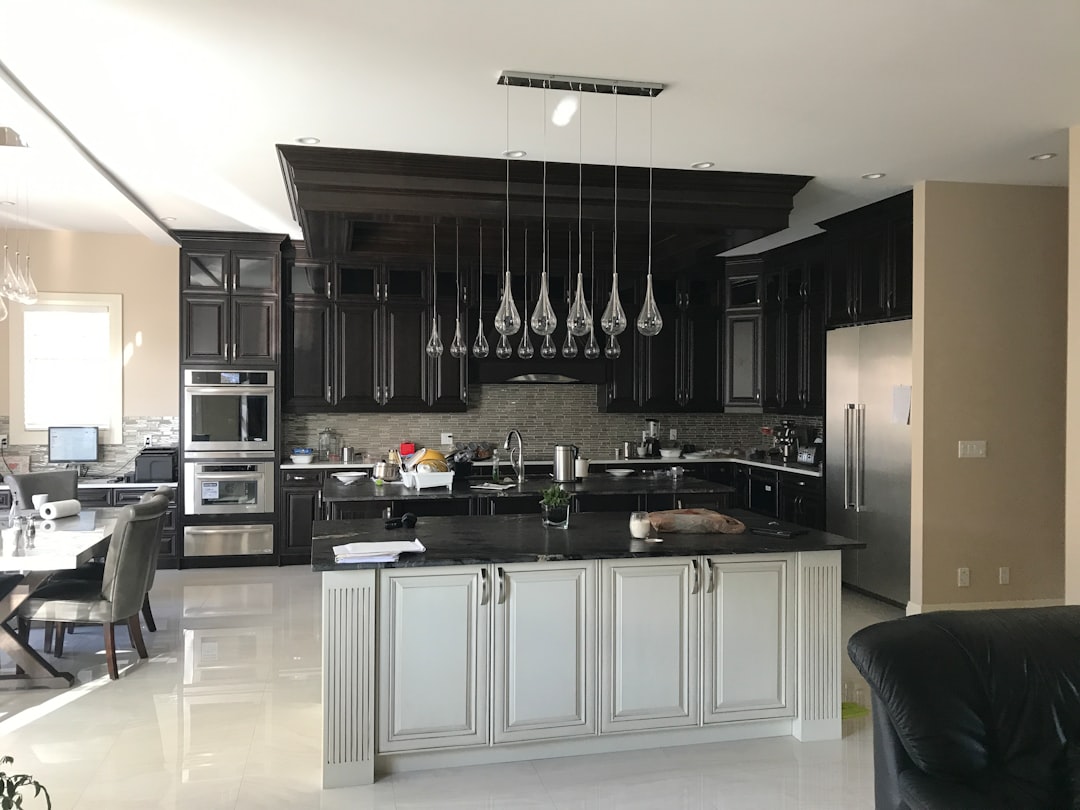
Sound boxes can sometimes be reused in a new arrangement; new boxes are what allow different sizes or additional units where needed. Photo: Regency Innovations / Unsplash.
Cost: Where the Real Savings Come From
Angi reports that refacing costs "about 30% to 50% less" on average than replacing custom or semi-custom cabinets, since you're not paying for entirely new boxes, only new doors, drawer fronts, and surface veneer. That's the core financial argument for refacing. Angi adds a caveat worth keeping in mind: the most affordable cabinet replacement projects tend to cost about the same as the average refacing project. So the gap depends on which cabinets you would replace with, and the only way to know it for your kitchen is to compare real quotes.
But cost isn't just about the sticker price. Because the boxes stay in place, refacing usually involves less demolition and no need to disconnect and reset plumbing or electrical for base cabinets. Less disruption matters if you're living in the house during the project, which has its own value even if it doesn't show up on the invoice.
Full replacement costs more, but it can also address problems that would otherwise stay with you. Fixing a layout that wastes storage, replacing boxes with water damage, or upgrading to a different cabinet construction are things refacing can't do. If the boxes are already near the end of their useful life, a reface only puts off that decision.
The most reliable way to know which option saves more for your specific kitchen is to get itemized numbers for both paths from people who have looked at your actual cabinets, rather than relying on a rule of thumb. If you're also weighing custom against premade lines as part of that decision, our custom vs. semi-custom vs. IKEA cabinets guide covers how that choice affects the budget on either path.
Signs Your Kitchen Is a Good Fit for Refacing
Not every kitchen is a clean candidate for refacing, but there are a few signals that point in that direction. If most of these apply to your kitchen, refacing is worth a serious look before assuming you need a full gut.
- You like the layout: The sink, stove, and fridge are where you'd put them if you were starting over, or close enough that moving them isn't worth the cost.
- The boxes are sound: No water damage under the sink, no sagging shelves, no swelling particleboard. Open a few doors and check the corners and hinge areas.
- You have enough storage: Refacing keeps the same boxes, so it doesn't add cabinet capacity beyond minor infill pieces. Inserts can make existing space easier to use, but if you're already short on space, most of that shortage carries forward.
- Your appliances aren't changing dimensions: If you're keeping the same size fridge, range, and dishwasher, the existing openings should still fit them.
- The style just feels dated: Old oak doors, brass hardware, or a finish that doesn't match the rest of the house are cosmetic problems, which is what refacing is designed to address.
On the flip side, a few signs point toward replacement instead. Angi lists serious damage, mold or mildew, crooked cabinets, and stuck drawers as signs it's time to replace. Doors that won't close square no matter how they're adjusted, a layout that's actively fighting how you cook, or plans to change appliance sizes point the same way. An in-person look at the cabinets usually settles the question more reliably than trying to diagnose it from photos alone.
What to Check Before Choosing
Before deciding between refacing and replacement, it pays to check a specific set of things rather than just eyeballing the cabinets and guessing.
First is box condition: opening several doors and drawers, checking corners for square, pressing on the bottom panel near the sink base for softness that can signal water damage, and checking whether hinges have been stripped from repeated tightening. Older cabinet boxes may not match today's appliance dimensions, which matters if you're hoping to fit a new dishwasher or a wider range into the same footprint.
Second is layout function: does the current arrangement create unnecessary steps between the sink, stove, and fridge, is there a cabinet blocking natural walking paths, and is there dead space, like an unused corner, that a different layout would capture. This is where it becomes clear whether refacing would only make an inefficient kitchen look nicer without fixing the inefficiency.
Third is scope: if the kitchen needs new flooring, updated lighting, or electrical work regardless of the cabinet decision, that changes the math. Sometimes it makes sense to handle the cabinet work at the same time as those other updates rather than doing two separate projects with two separate disruptions to daily life.
Looking at the actual cabinets gives a more useful answer than a generic estimate based on square footage alone. If replacement is where you land, you can see the cabinet lines we carry on our brands page.
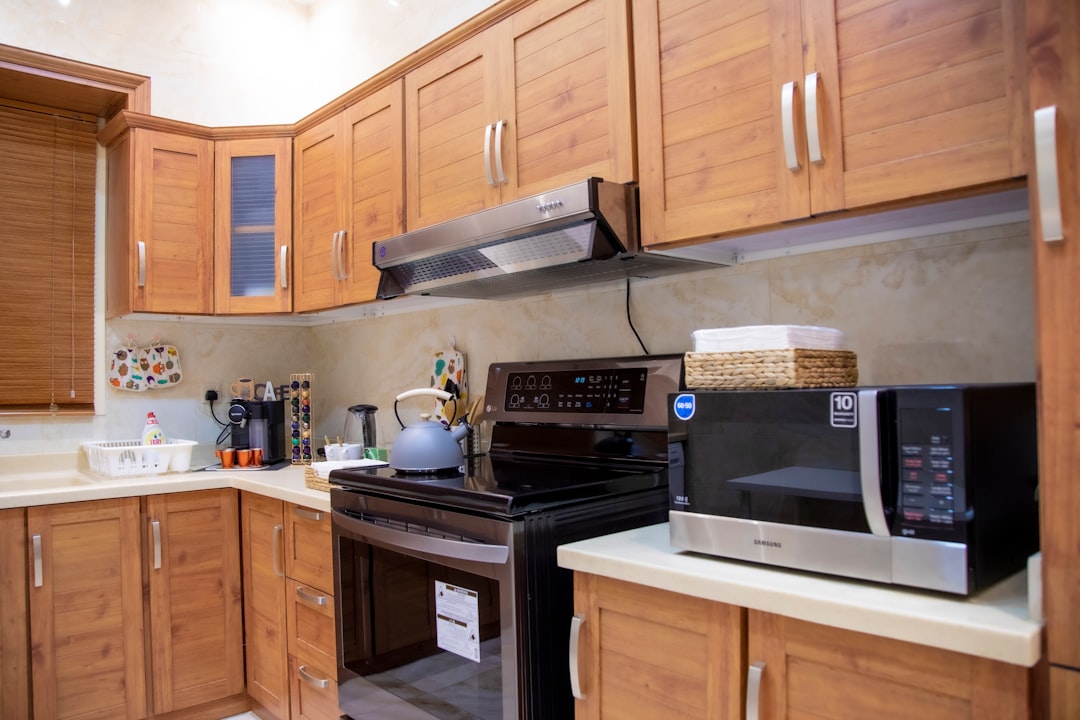
Refacing swaps doors, drawer fronts, and exposed panels while keeping the existing box structure and layout in place.
Timeline: How Long Each Option Takes
Refacing leaves the boxes in place, so there's usually less demolition and no need to disconnect countertops, plumbing, or electrical for the base cabinets. New doors and drawer fronts are made to order before the on-site work begins. How many days that on-site work takes depends on the size of the kitchen and on the installer; Angi notes that even a DIY reface "requires a few days to complete." Ask each installer for a written schedule rather than assuming a number.
Full replacement involves more steps: demolition, disconnecting and resetting utilities where cabinets connect to plumbing or electrical, and installing entirely new boxes before doors and hardware go on. If countertops are being replaced too, which is common with a full cabinet swap, that adds template and fabrication time on top of the cabinet install itself.
For homeowners who can't be without a working kitchen for long, the amount of disruption is sometimes the deciding factor even when cost and layout would otherwise point toward replacement. It's worth asking each contractor directly how each option would affect daily life during the project, not just what the finished result looks like. For a broader sense of how a full remodel unfolds, our kitchen remodel timeline guide walks through what to expect from first consultation to final install.
The three disqualifiers
Refacing is usually the wrong choice when any of these is true:
- The layout doesn't work. If the dishwasher blocks the silverware drawer or the fridge wall never made sense, refacing keeps those problems in fresh clothes. Some narrower issues, like an awkward corner, can sometimes be eased with inserts or by replacing just a few boxes (see the hybrid options below), but a layout that is wrong overall needs a redesign; no door style fixes geometry.
- The boxes are damaged. Water is a common culprit — a slow sink leak, a dishwasher failure, steam over the years. Swollen particleboard, delaminated panels, soft floors in the sink base: veneer applied over damage changes the appearance but does not repair the structure. Open the sink cabinet, press the floor, look at the bottom edges, and check the neighboring cabinets too.
- You need storage the boxes don't have. Refacing keeps your current capacity. If the real complaint is nowhere to put things — no pantry, too few drawers, wasted space above the uppers — the fix involves different or additional boxes, whether that's a full replacement or a hybrid.
The hybrid middle: reface some, replace some
The choice isn't binary, and a mixed project is worth pricing: reface the runs that work, replace the pieces that don't. Common combinations — keep and reface the perimeter, add a new pantry tower where a dead broom closet was; reface uppers, replace lowers with drawer bases; keep the boxes, replace only doors and every piece of hardware. Because of that range, it's worth getting itemized assessments from more than one supplier so you can compare what each recommends and why. It's also why we start projects with space planning rather than with a product: the plan decides what needs to change.
Diagnosing your own kitchen
- Open the sink base and press the floor. Soft, swollen, or stained through? That's a replacement conversation.
- Live one week noting every friction: is it about how it looks or where things are? Looks → reface. Location → replace.
- Count what has no home. If a lot of everyday items have nowhere to go, you need capacity, not cosmetics.
- Check construction: boxes in good order favor refacing; sagging or swollen boxes don't deserve new doors.
- Price both properly — a comparable-quality reface quote against a replacement quote, both itemized. The quotes, not a rule of thumb, are the decision.
If you're unsure which side your kitchen falls on, an in-person look at the cabinets by someone who works with them is the next step. Book a design consultation and bring measurements, a floor plan, or photos — including the inside of the sink base. If it does turn out to be replacement, our premade manufacturer lines cover most kitchens with size modifications at a more accessible price and lead time than fully custom work.
FAQ: Refacing vs Full Replacement
Is refacing kitchen cabinets worth the money?
It can be for kitchens with a layout you're happy with and boxes that are structurally sound. Angi reports refacing costs about 30% to 50% less on average than replacing custom or semi-custom cabinets, and it delivers a new look — new doors, new drawer fronts, often new hardware — with less demolition than a full replacement. It stops being worth it if the boxes have water damage or the layout doesn't work for how you actually cook.
What is the average cost to reface kitchen cabinets?
Refacing costs vary by kitchen size, door style, and material. Angi reports refacing costs about 30% to 50% less on average than replacing custom or semi-custom cabinets, though the most affordable replacement projects can cost about the same as an average reface. Itemized quotes for your own kitchen are the only reliable number.
How do I know if I need replacement instead of refacing?
Watch for structural signs: soft or swelling panels near the sink base, boxes that are out of square, cracks running through the cabinet material, mold or mildew, or hinges that won't hold adjustment anymore. Also consider function: if the layout wastes space, blocks traffic, or won't fit the appliances you want, refacing keeps that problem in place rather than solving it.
Does cabinet refacing add value to a home?
Refacing can make a kitchen look current, which may help when you sell, especially if the existing layout already works. How much value any kitchen project adds depends on its cost, the local market, the scope and the home's condition, so there is no fixed answer for refacing versus replacement.
How long does cabinet refacing take compared to full replacement?
Refacing usually involves less demolition because the boxes stay in place, and doors and drawer fronts are made before on-site work starts. The number of on-site days depends on the kitchen and the installer, so ask for a written schedule. Full replacement involves more steps: demolition, utility disconnection and reconnection, and installing new boxes before finishing work can start.
What if my cabinet layout is fine but I want more drawers?
That's the classic hybrid: keep and reface the uppers, replace door-style base cabinets with drawer bases. You get the storage change where you want it without replacing boxes that were never the problem.
How do I know if my cabinet boxes are worth keeping?
Check the sink base floor for water damage, look for delaminating panels or sagging shelves, and confirm the boxes are square and firmly anchored. Angi's rule of thumb is to reface only if the boxes are relatively new or in good condition; swollen or damaged boxes are not worth covering with new veneer.
About the author
Anthony
Design Lead, Excelle Kitchen & Bath
Leads cabinetry and storage design at Excelle Kitchen & Bath, a design studio with a San Jose showroom serving the Bay Area. Ten years of kitchen and custom storage projects, specialising in space planning, semi-custom cabinetry specification, and closet systems.